The first time I read about Garni was back in 2019. A short piece in Fast Company described their tights as an attempt to make Wolford-quality hosiery at half the price. I rolled my eyes. Wolford comparisons are how every new hosiery brand asks to be taken seriously, and most of the time it’s marketing dressed up as a value proposition.
Then I read the product copy and the eye-rolling stopped, more or less. Garni had three styles: a sheer, an opaque, and a fishnet. All black. Three pairs at thirty-three dollars each. The pitch underneath the Wolford line was specific in a way I respected. High filament count for the hand of the fabric. A wide waistband that would not roll down by lunch. Production in established hosiery mills, not in some experimental facility trying to reinvent knitting. None of this is revolutionary, but it is the right list of things to care about, and most American DTC tights brands in 2019 were caring about the wrong things.
The three-styles-all-black decision was the smartest thing on the website. American hosiery brands love to clutter a small range with “nudes” that match exactly one type of skin. Garni skipped that whole problem. You wanted a sheer black, an opaque black, or a fishnet black, and that was it. Less inventory, less promise to break. A woman shopping for tights does not need fifteen options. She needs three good ones.




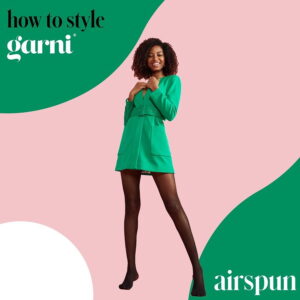





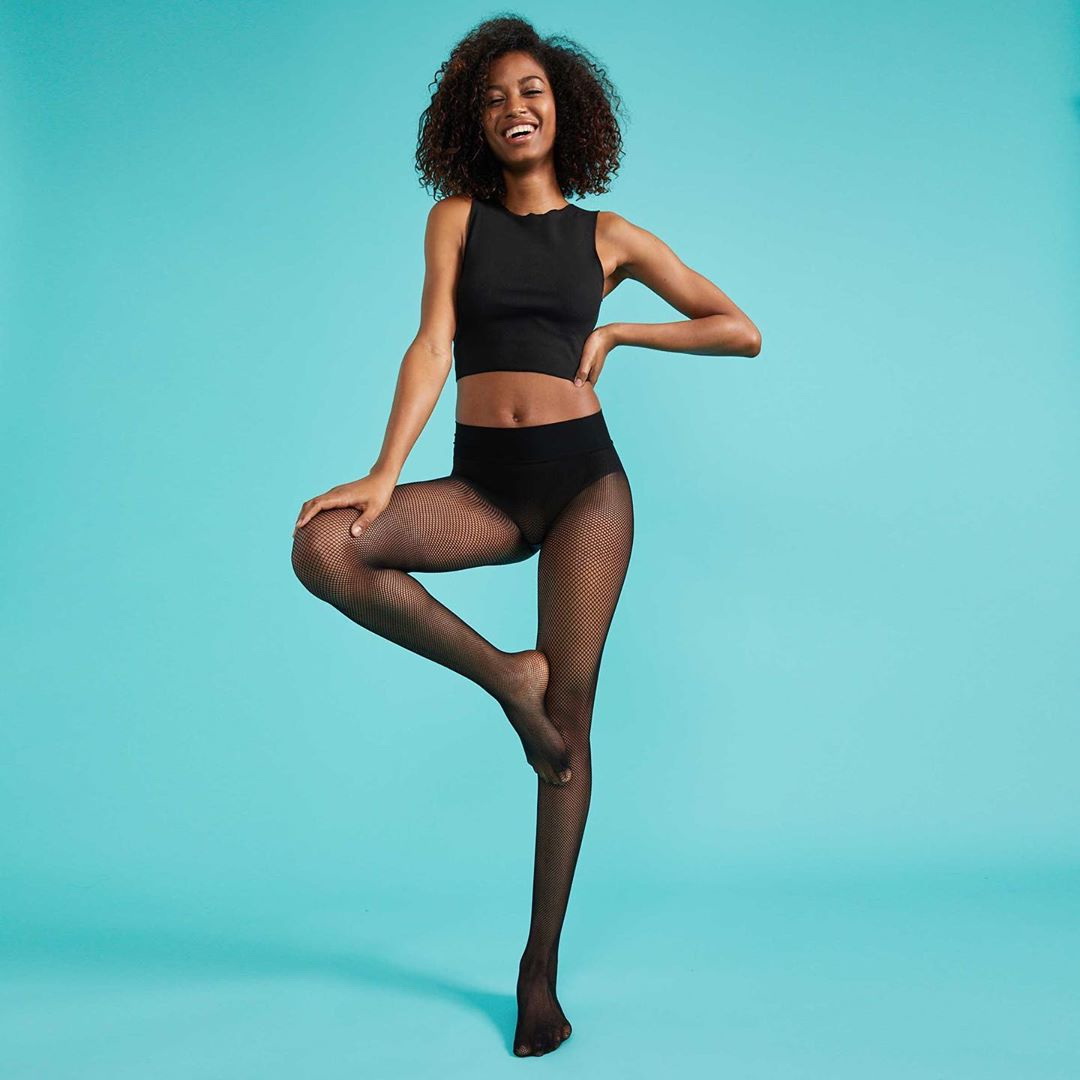
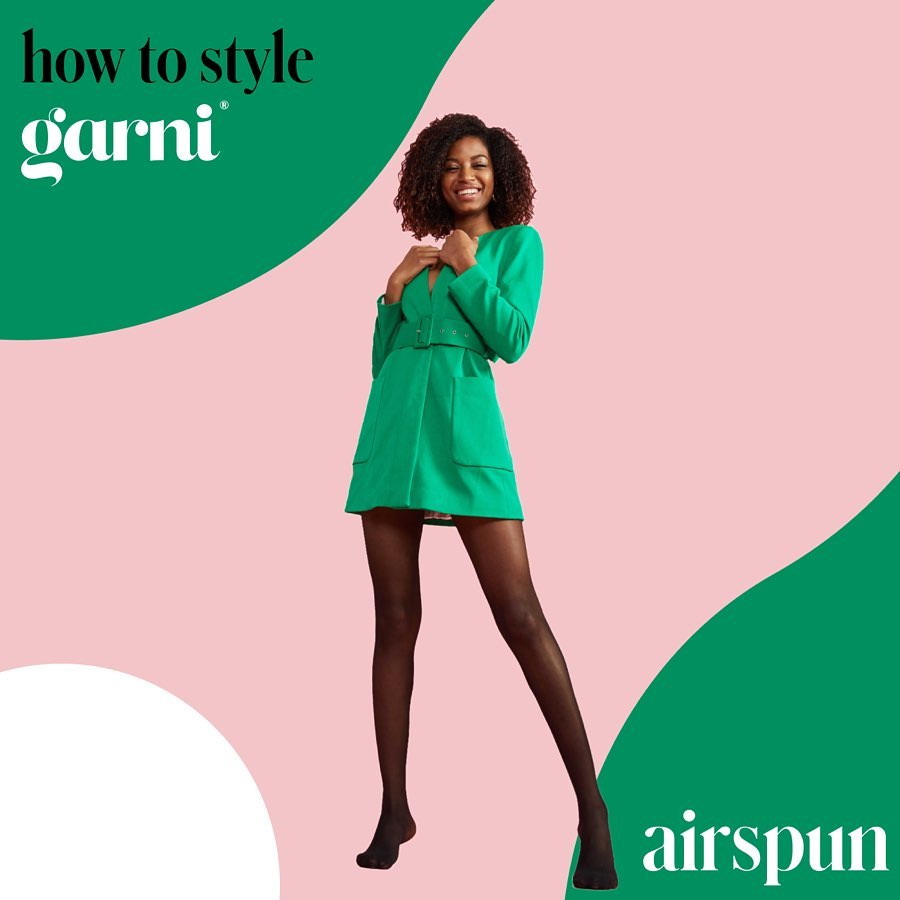


What the website did not do as well was talk like a person. The styles had names: Airspun for the sheer, Ganache for the opaque, Siren for the fishnet. I understand the impulse. Black tights are not glamorous on their own, and a name does some lifting. But Ganache for a pair of opaque tights is the kind of thing a brand consultant invents and then defends in a meeting. Tights are not desserts. The naming made the brand feel younger than it needed to.
The bigger tell was the tagline. Beauty Is Freedom. Founder Elina Tunyan had a real story behind that line. Her family had fled Azerbaijan in 1991 and arrived in the United States as refugees, and in a long About-page essay she connected the feeling of being squeezed by uncomfortable hosiery to the feeling of not belonging in your own skin. The connection is not fake. But it is a lot to ask a thirty-three-dollar pair of tights to carry. The product was good enough to sell itself on the merits. The freedom talk was the wrapper marketing put around it.
By the end of 2019 Garni had raised about a hundred and ten thousand dollars total. The last round was twenty thousand in December of that year. Then 2020 happened. The first big lockdown spring was not a moment when American women were standing in front of their closets reaching for tights. Office wear cratered, and small hosiery brands without a deep cash runway were not going to survive a year of nobody having anywhere to be. Garni’s Instagram has been silent for years now. The original website redirects somewhere else.
It is easy to read this as a failure, but I do not think it was. Garni had a clean product idea, three good styles, a fair price for what it claimed to deliver, and a casting choice that took diversity seriously without making a press release about it. The campaign images, with their pink and yellow and cyan backdrops, still look fresh six years later, which is more than you can say for most DTC photography from that era. The brand caught a wave that did not arrive, but the wave it was riding was the right one.
If a pair of Airspun tights ever surfaces in a closet sale or a deadstock listing, it is probably worth picking up at the original price. If not, look at the brand the way you might look at a small magazine that folded too early. The work was real. The timing was bad. Both of those things can be true at once.


Leave a Reply