Two stores can have Gatta tights in the same week. One is a Biedronka discount supermarket in Łódź, with three-packs hanging on a hook between detergent and snacks. The other is a specialty hosiery shop in Glendale, California, that pays import duties on every box. Same brand, same factory, same product code on the pack. This is unusual. Most hosiery brands try very hard to live in one of those two worlds and pretend the other does not exist.
Gatta is owned by a Polish company called FERAX, founded in 1993 in Zduńska Wola, a town in the middle of Poland that you have never heard of unless you grew up there or worked in textiles. The brand sells in the UK, France, Russia, Ukraine, Croatia, Mongolia, Australia, and the United States. It runs 120 own-brand stores at home and partners with the kind of chains where Polish families do their weekly shopping. The U.S. importer, Gatta Hosiery USA, lists Glendale, California as its address. The website is small and a little dated, but it works.
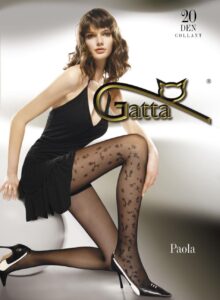
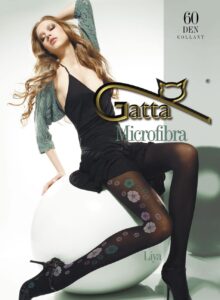
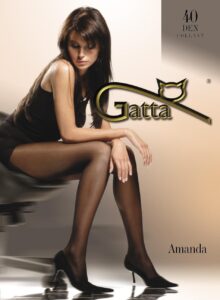
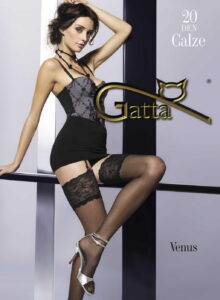
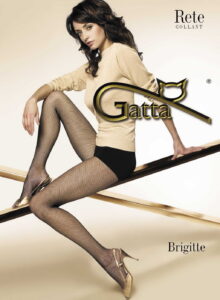

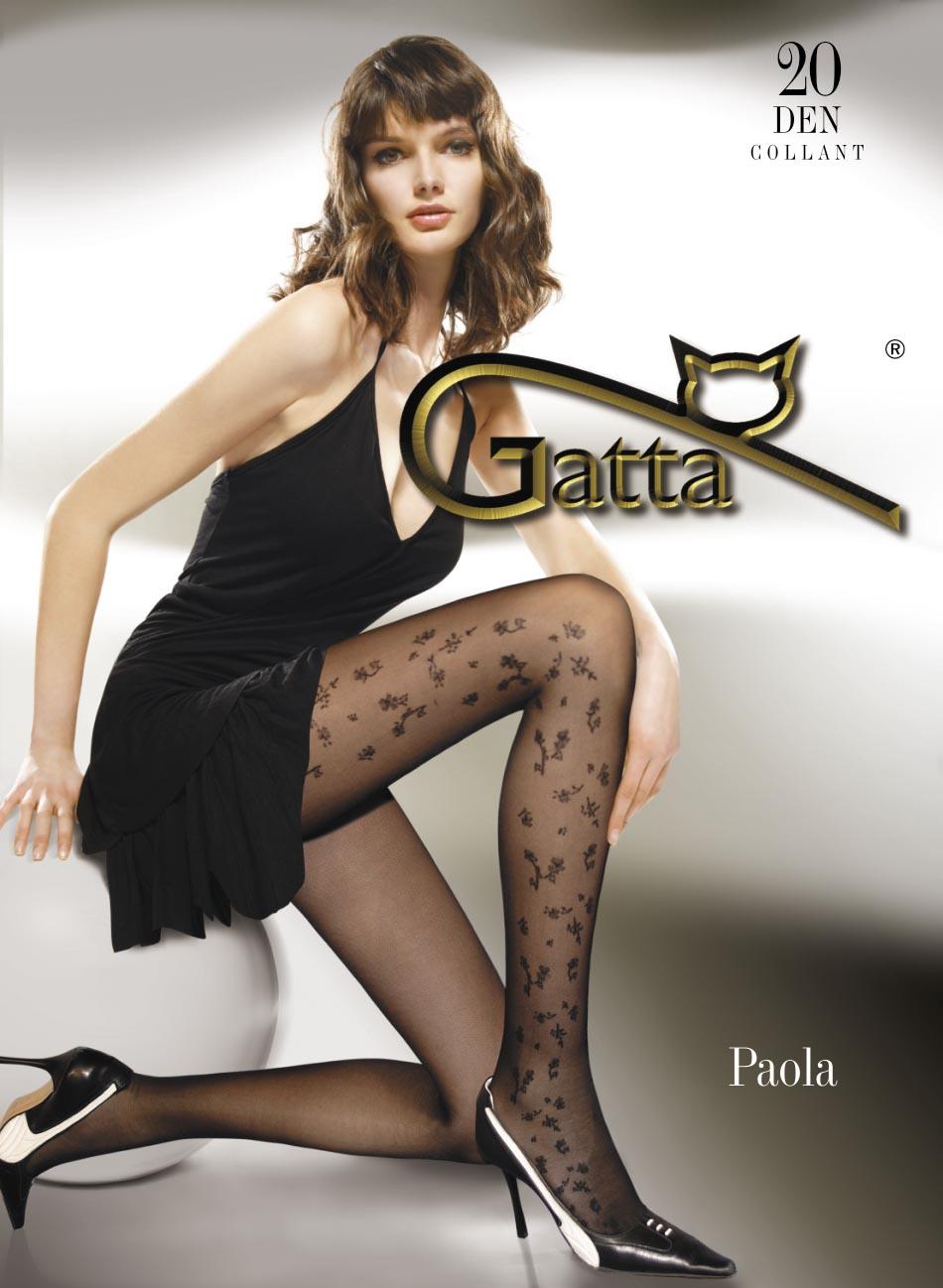
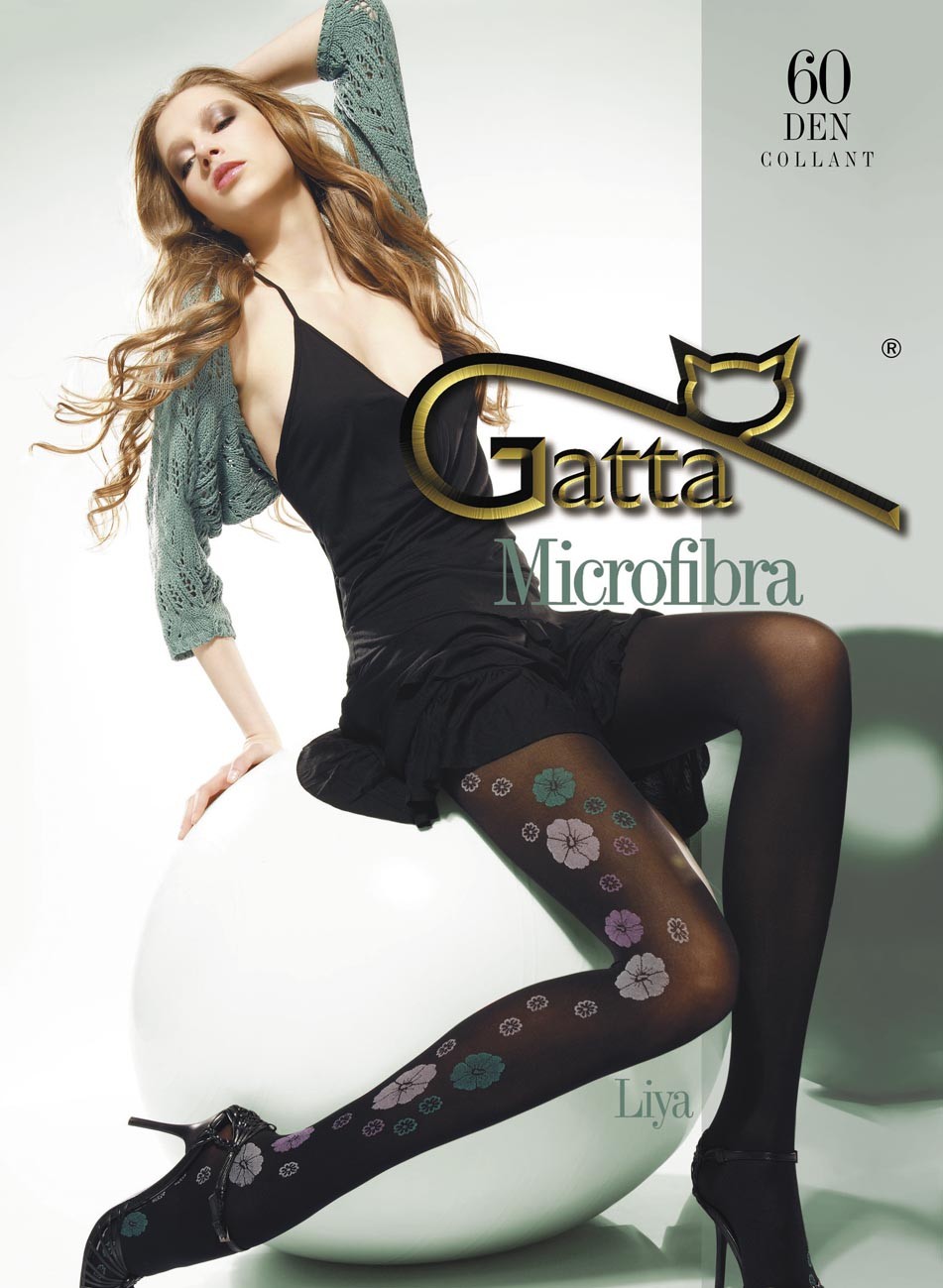
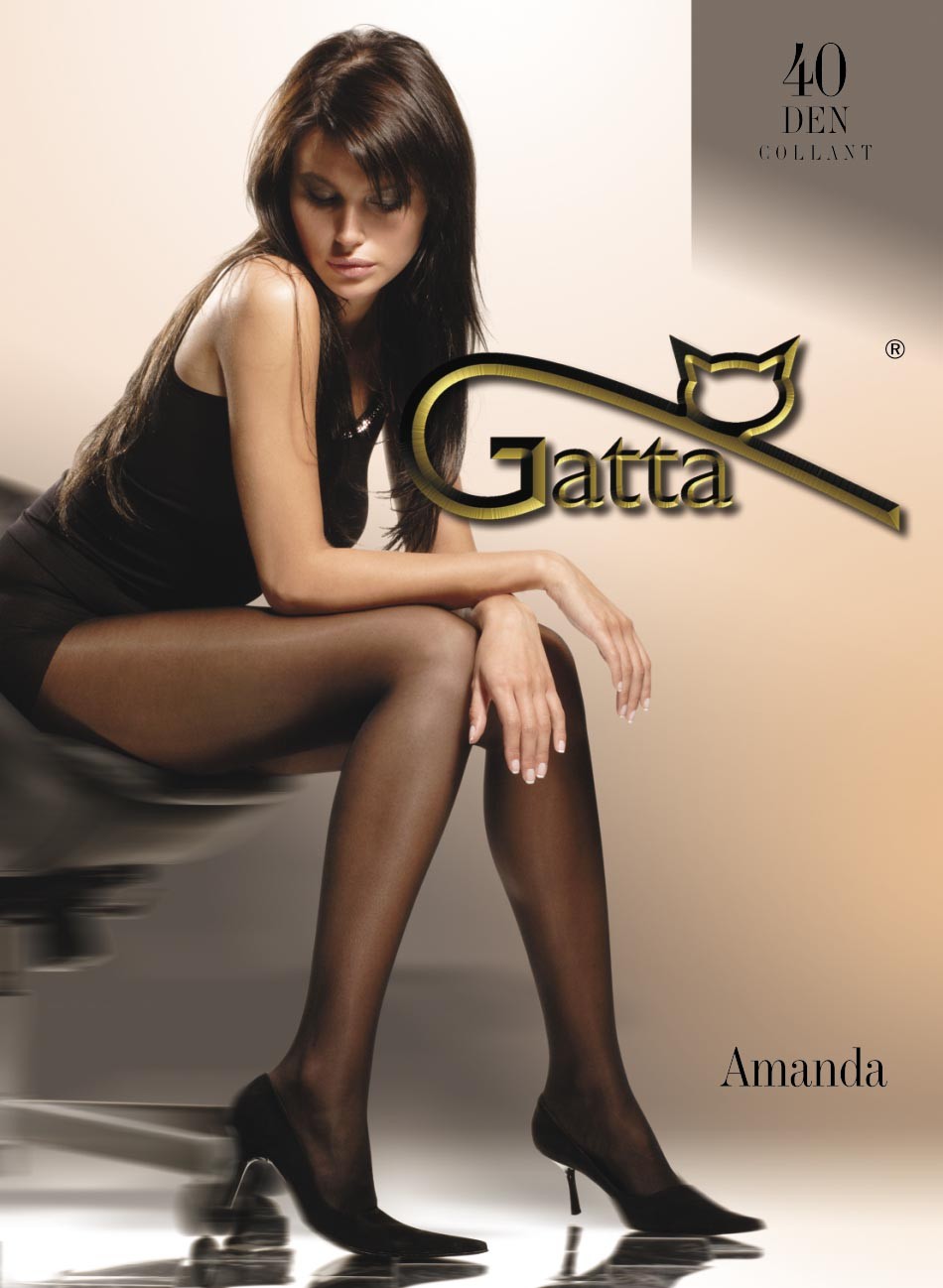
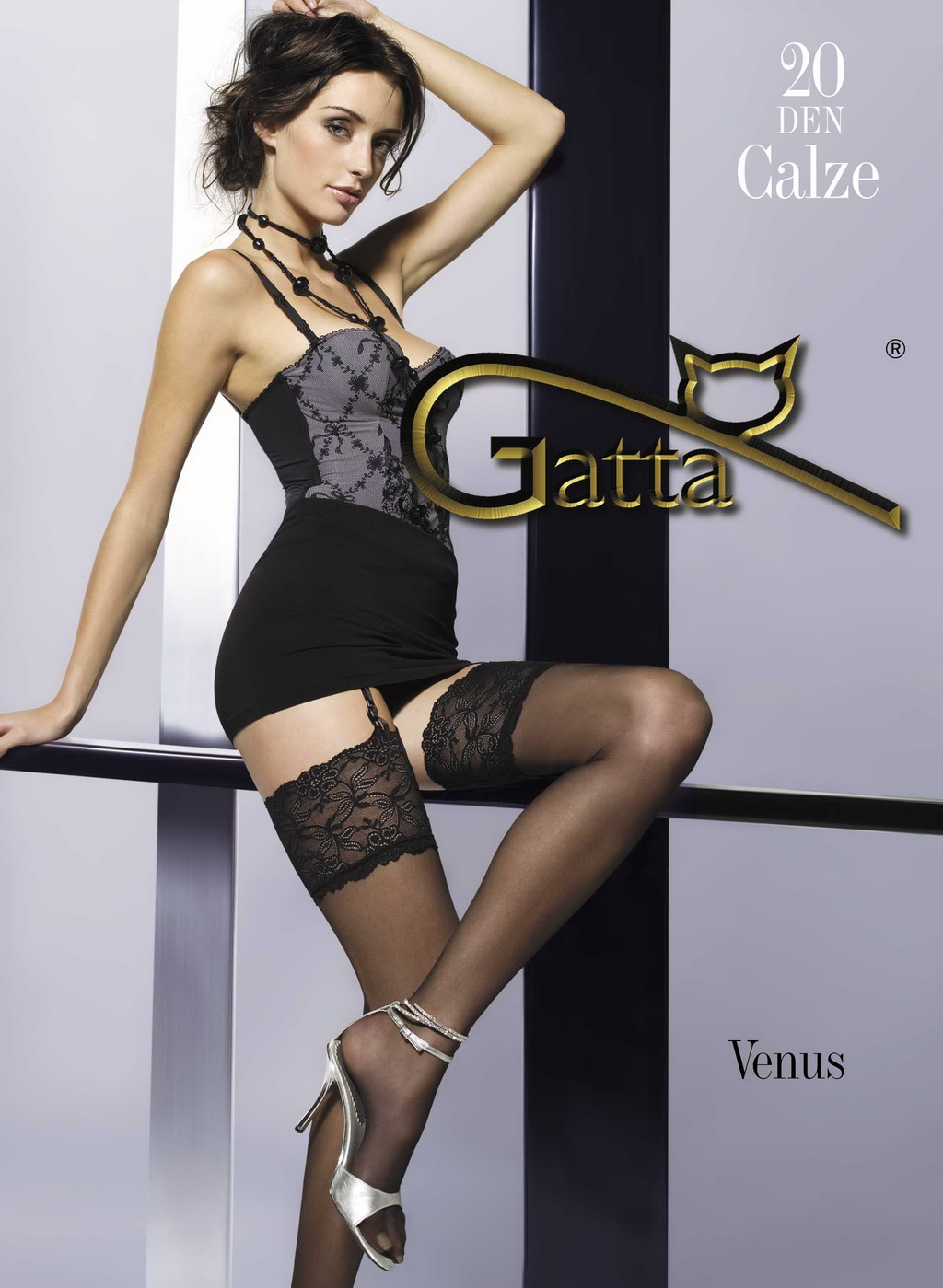
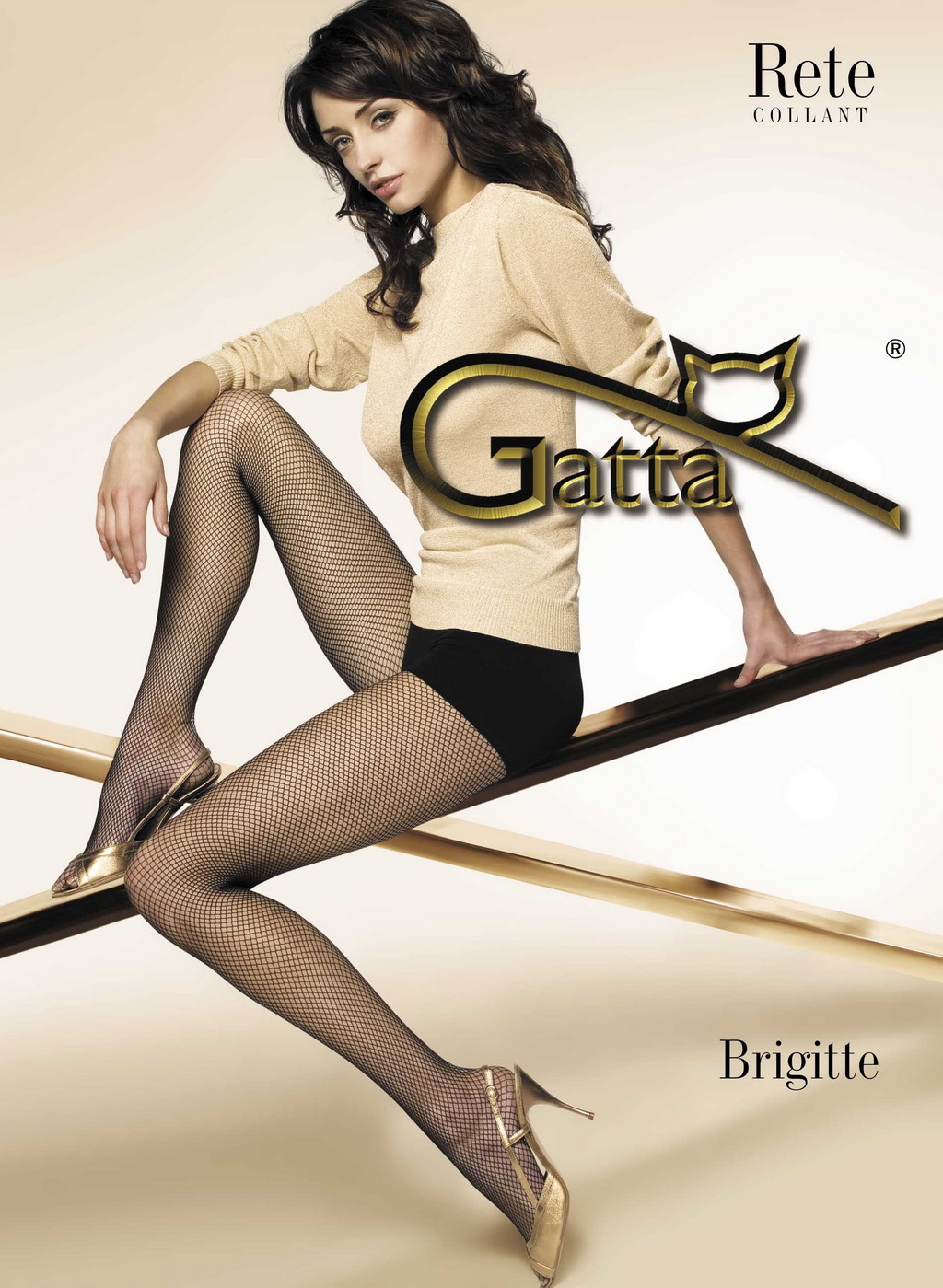
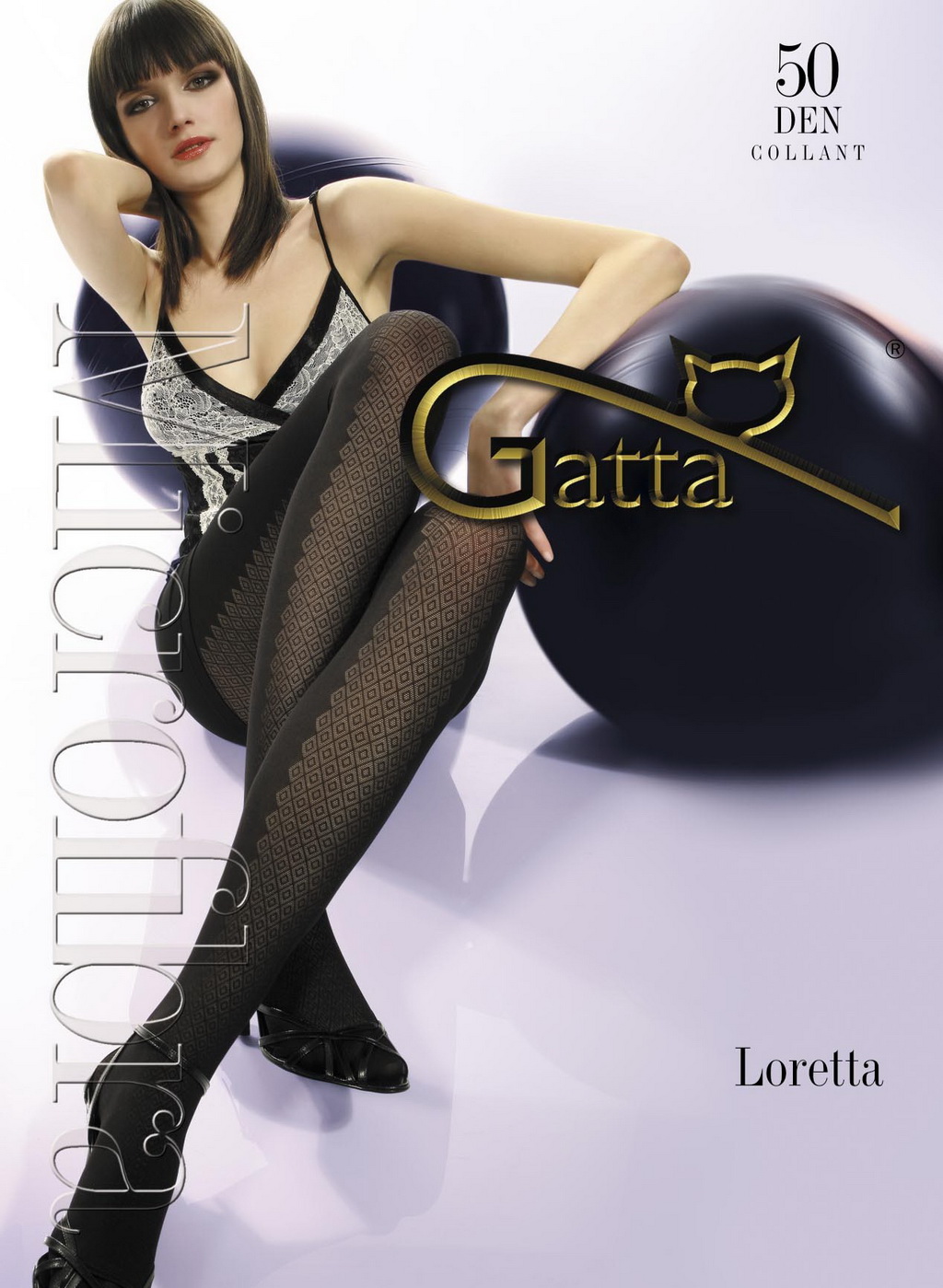
There is no founder story. That alone is worth noting. Almost every hosiery brand of the last fifteen years comes with a personal narrative: a woman who could not find good tights, who quit her job in finance, who decided to fix the industry. Gatta has none of that. What it has is a factory, one of the largest hosiery factories in Europe, and three decades of running it. The story is the building, not a person. After a long stretch of founder-as-brand marketing, this is almost refreshing.
The product range is wide and the naming convention is old-school European: every style is a woman. Paola, Noelle, Lia, Sissy, Lou Lou, Emanuela, Loretta, Astrea, Bella. The naming does some of what a brand consultant tries to do with words like Airspun or Ganache, but it does it more honestly. A woman’s name is a name. It does not pretend to be poetry. You learn which Paola fits and you buy Paola again next winter.
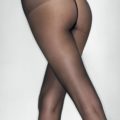
Tights run from about thirteen to thirty dollars on the American site, with most everyday pairs in the seventeen-to-twenty-three range. The technical claims behind them are specific. 3D Technology refers to a three-dimensional knit structure that gives a closer fit and a softer feel against the skin. LYCRA® Fusion is a fiber treatment that reduces snagging and laddering. These are not revolutionary, but they are real, and the language describing them is closer to a textile spec sheet than to a Tumblr post.
What I do not love is the Body Slimmer line. Shapewear tights are a category Gatta does well at the technical level, with a reinforced panty, invisible seams, and a tummy-control panel. But the marketing copy hits all the familiar notes about flattening and pressure-free smoothing, and I have never been able to read that copy without thinking about who exactly is being told they need to be flattened. The product can stand on its own as a functional option for someone who wants it. The framing around it sells discomfort I would rather not be sold. Gatta is hardly alone here, and the rest of the brand does not lean on this voice, but the Body Slimmer page reads like it was written by a different team.
The fashion lines are where the brand has the most fun. Funny, Floral, Mosaica, Pixi, Crazy Trick, X-MAS Joy, Silver Party. Patterned tights with polka dots, geometric prints, holiday motifs, party glitter. Most American women have stopped buying patterned tights, or maybe were never taught to. In Europe they are still treated as an accessory you can change with the season, like a scarf. Gatta keeps that tradition alive at supermarket prices.
If you have never tried Polish hosiery, Gatta is the obvious place to start. The basics are well made and priced honestly. A few of the patterned styles are charming in a way that more famous European houses have priced themselves out of. Just skip the Body Slimmer page on your way through.



Leave a Reply