There is a brand of pantyhose I grew up seeing in the drugstore aisle in Atlanta. White cardboard backing, navy and red label, a small flag at the top. No Nonsense. My mother bought them three at a time, in “beige mist” or “off-black,” and I never once thought about who made them. They were the kind of product nobody asks questions about, which is most of how supermarket hosiery has always worked. You grab the box, you pay four dollars, you put them on the next morning.
Years later, when I started writing about hosiery, I learned something I had no reason to know. No Nonsense has been owned since 1999 by an Italian company in a Lombard town I had never heard of. Castiglione delle Stiviere. The company is called Golden Lady, and the group as a whole makes about four hundred million pairs of tights a year.
That number is worth pausing on. Four hundred million. If a brand like Garni was three styles in black at thirty-three dollars a pair, Golden Lady is the other end of the same industry: high-volume, multi-brand, multi-country, dressing more women’s legs in a year than most brands manage in a decade. The group is the quiet giant behind half the names on the European hosiery shelf, and a respectable share of the American one too.
The story starts in 1966. Nerino Grassi and his wife Erminia ran a flour mill in the Mantua countryside. They decided they would rather make tights. With Nerino’s brothers Arnaldo and Roberto, they founded Golden Lady and put four hundred knitting machines to work. By the seventies they were exporting to Germany; by the eighties they were investing heavily in television advertising and becoming a household name in Italy. Then came the acquisitions. SiSi, a Veneto silk house founded in 1818. Omsa. Filodoro, with its premium label Philippe Matignon. And then, in 1999, the move that most American shoppers should care about even if they will never notice: Golden Lady bought Kayser-Roth, the Greensboro, North Carolina company that owns No Nonsense and Hue.
That is how an Italian family business from Mantua came to make the pantyhose my mother bought at Kroger.
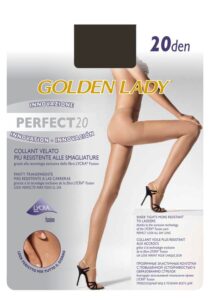
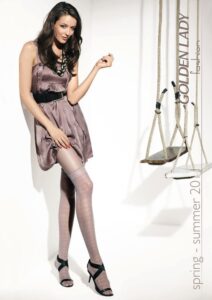
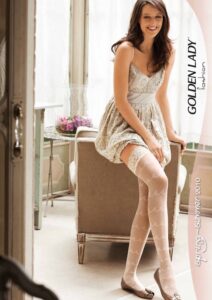
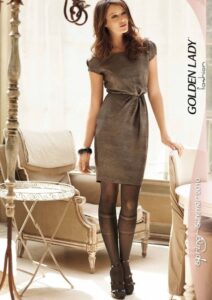
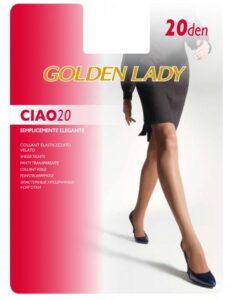
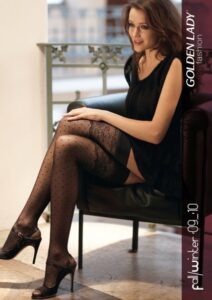
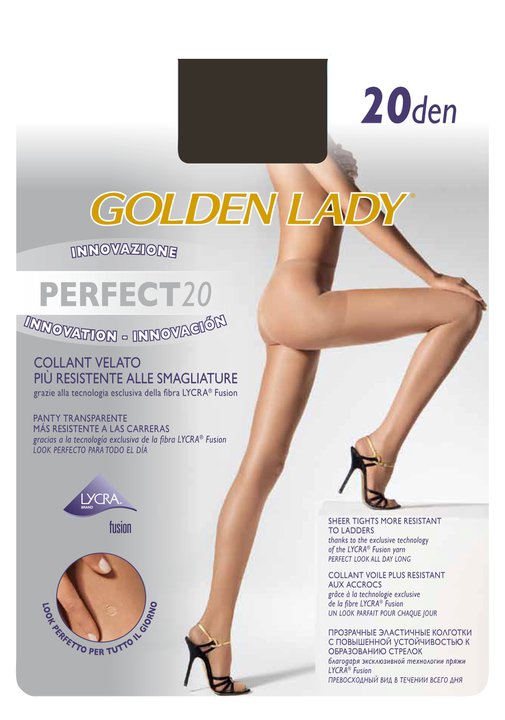
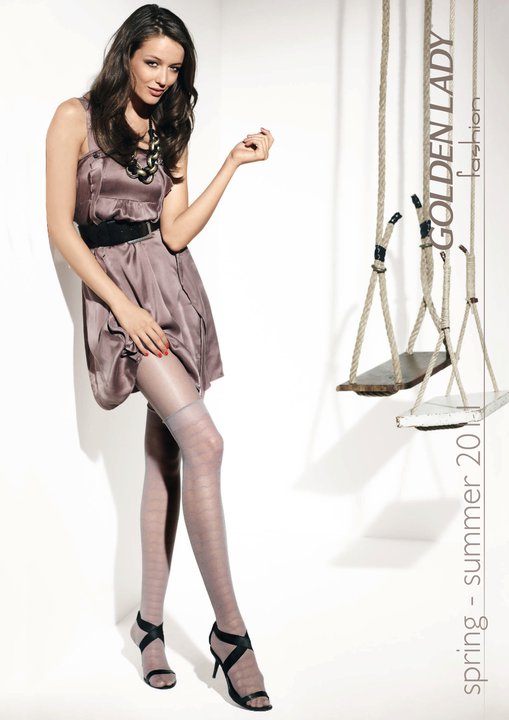
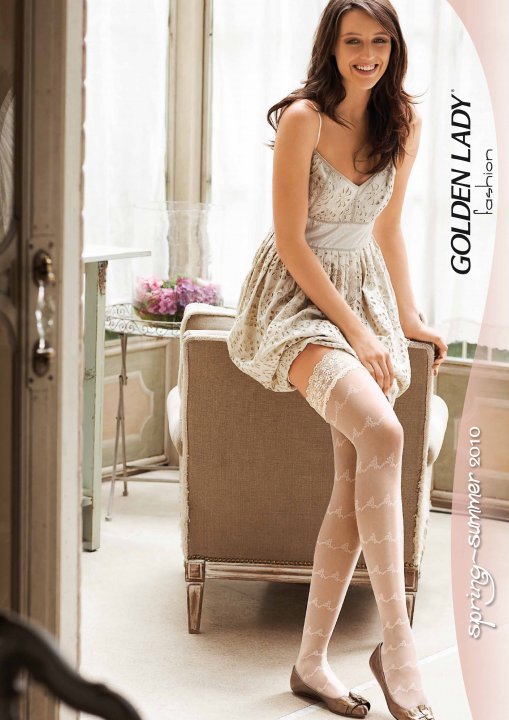
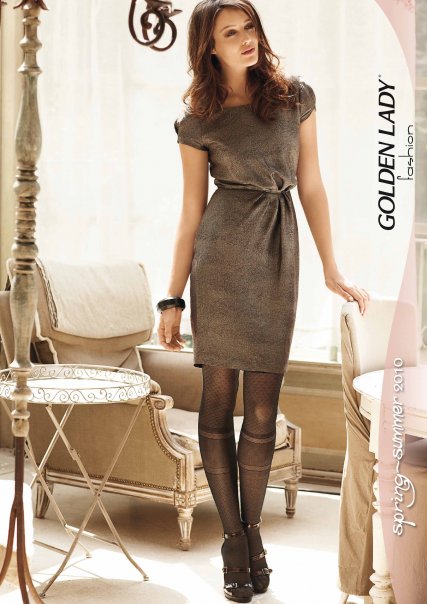
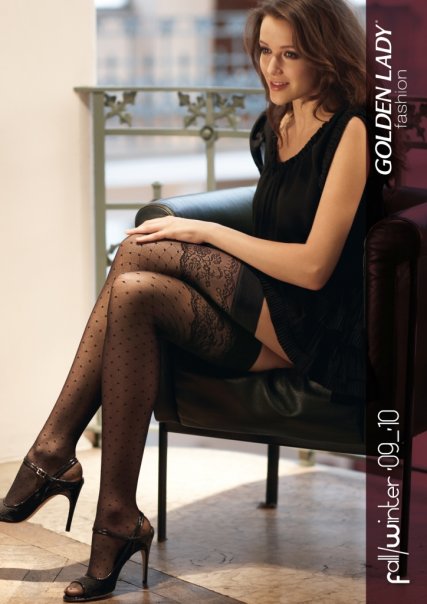
Nerino Grassi died in October 2025, eight months ago. His wife Erminia had died in 2021. The group is now in the kind of generational transition that quietly happens to a lot of industrial Italian families when the founders go. The factories keep running. Castiglione delle Stiviere, Casalmoro, Castelnuovo di Asola, Basciano, plus Greensboro in North Carolina and a plant in Serbia. Twelve sites in total. The work does not stop because a chairman dies.
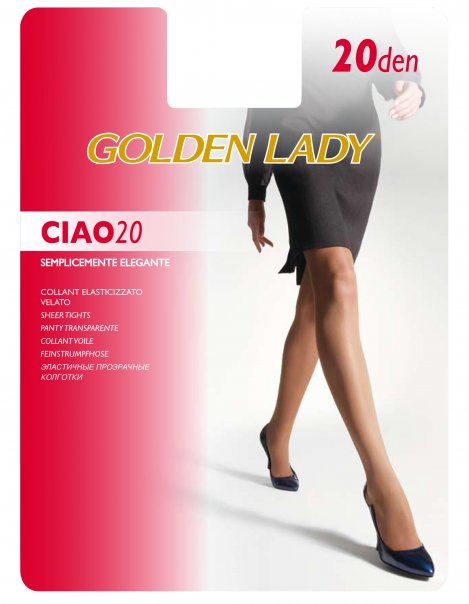
The product itself is unspectacular, and that is the point. Golden Lady tights are the everyday workhorse, available in every supermarket and every Goldenpoint shop, priced for the middle of the market. The English-language Golden Lady site has a smaller assortment than the Italian one but it covers the basics: sheer, semi-opaque, opaque, seamless. The My Secret line is built around a seamless waistband and a silver-ion finish, which is more interesting than the marketing suggests.
What I admire about Golden Lady is the discipline of staying useful. The brand has never tried to be Wolford. It has never pretended to be reinventing anything. It is one of the largest hosiery groups in Europe because for sixty years it has done a workmanlike thing very well, at a price working women can afford. The styles mostly last and the colors mostly make sense. That is harder than reinvention.
What I am less convinced about is the marketing language the company puts around all this: women as “freer and more beautiful,” tights as “beauty allies.” It is the kind of copy that has aged less well than the product. The product is mostly fine. The copy reads like 1987.
If you have ever bought No Nonsense at a CVS, you have been a Golden Lady customer. If you have bought Hue tights at Macy’s, the same. The Italian brand on its own site is worth a look too, mostly for the seamless options. Just do not expect drama. This is industry, not theater.




Leave a Reply